Infertility

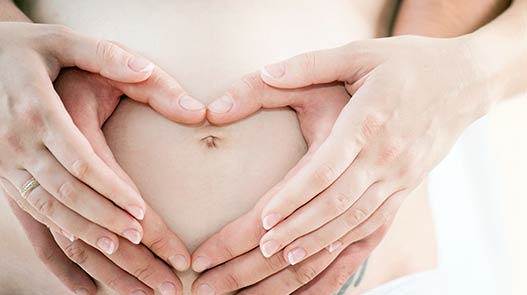
Little girl kissing mom's pregnant stomach

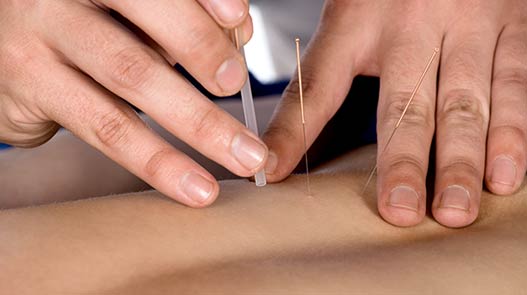
A number of studies have confirmed the efficacy of acupuncture in treating infertility. A noted German study demonstrated that a test group receiving acupuncture in conjunction with IVF achieved a 42% clinical pregnancy rate, whereas the control group that did not receive acupuncture had a 26% pregnancy rate. This study utilized just a single acupuncture session per patient, shortly before or after the transfer of embryos.

Another study demonstrated a 60% success rate when combining IVF with Chinese herbal medicine and acupuncture. Perhaps more importantly, both of these alternative modalities were found to significantly reduce the risk of miscarriage during the course of pregnancy.

One clinical study employing the use of ultrasound observed a marked shift in the color of womens’ ovaries from one that is cloudy to one of a clear hue after acupuncture treatment. Furthermore, the follicles were found to double in number, the lining of the uterus to thicken, and the number of embryos to increase. This test group experienced less side effects from herbal medicine and more importantly, were more at ease.

Studies involving male patients have demonstrated a profound increase in semen quality and the amount of sperm produced following treatment with acupuncture and herbal medicine. Male patients receiving treatment from our clinic in particular, have reported positive, robust sexual benefits.

The Benefits of Acupuncture and Chinese Herbal Medicine

Recent Research on Acupuncture & IVF

In an article published by W. Paulus, M. Zhang, I. El-Danasouri, E. Strehler and K. Sterzik titled,” Influence of Acupuncture on the Pregnancy Rate in Patients Who Undergo Assisted Reproduction Therapy,” appearing in the April 2002 issue of Fertility and Sterility, German researchers announced that they had increased the success rate by nearly 50 % in women undergoing in vitro fertilization. The researchers, led by Dr. Wolfgang E. Paulus and colleagues at the Christian-Lauritzen-Institut in Ulm, Germany, said they do not know why acupuncture works and plan to conduct more studies. “Acupuncture seems to be a useful tool for improving pregnancy rate after assisted reproductive techniques.” they wrote. “The analysis shows that the pregnancy rate for the acupuncture group is considerably higher than for the control group ( 42.5% versus 26.3%),” they wrote.

Working with a team at the Department of Chinese Medicine at Tongji Hospital in Wuhan, China, Paulus and colleagues tested 160 women undergoing in vitro fertilization. Half received the standard in vitro fertilization, while half were given acupuncture treatments before and after. “We chose acupuncture points that relax the uterus according to the principles of traditional Chinese medicine,” they wrote. They said acupuncture can affect the autonomic nervous system-involved in the control of muscles and glands-and thus, theoretically, should make the lining of the uterus more receptive to receiving an embryo.

According to the report, about 26% of women who did not receive acupuncture became pregnant, compared with nearly 43% of women who underwent the traditional Chinese therapy before and after embryo transfer. There were no differences in age, number of transferred embryos, or the number of previous cycles between the two groups of patients. In this study, women received acupuncture along the spleen and stomach channels in an attempt to relax the uterus and improve the flow of energy to this region. They also received acupuncture needles in their ears to stabilize the endocrine system.

“The results demonstrate that acupuncture therapy improves pregnancy rate,” concluded Dr. Paulus and colleagues” However, more research is needed to determine whether the higher pregnancy rate among women receiving acupuncture was due to actual physiological or psychological effects,” they added. “If these findings are confirmed, they may help us improve the odds for our IVF patients,” Dr. Sandra Carson, president-elect of the American Society of Reproductive Medicine, said in a prepared statement after the publication of this study in Fertility and Sterility.

Article from Acupuncture Today (October, 2005, Vol 06, Issue 10) Abstract of the Article

In many cultures, Women are unfairly blamed for the inability of a sexually active couple to conceive. In reality, men suffer from infertility issues just as frequently as women. According to statistics from the National Infertility Association (an organization also known as RESOLVE), between 35% and 40% of infertility problems among couples are actually caused by male conditions. Several factors may be responsible for male infertility, including low sperm count, abnormal sperm shape and size, and reduced motility. Lifestyle, genetics, and physiological changes can also raise or lower male fertility levels, and can significantly affect a man’s ability to produce offspring.

Previous research has shown that acupuncture can improve fertility levels in women. Fewer studies on male infertility have been conducted, although evidence suggests that acupuncture can have an effect on sperm production and quality, without causing any changes in behavior or sexual desire. A recent trial published in Fertility and Sterility has shown effectiveness of acupuncture in the treatment of the infertility.

Semen samples were collected from each of the men after a 3-day period of sexual abstinence. Two samples were collected from each patient: One obtained the day before treatment began, the other after the last acupuncture treatment. Samples from the treatment group were then randomized with semen samples from 12 untreated control patients and analyzed. Compared to the control group, motility levels increased significantly in semen samples in the men receiving acupuncture. The number and percentage of healthy sperm also increased dramatically in the acupuncture patients. After 10 sessions of treatments, the median percentage of healthy sperm increased more than four-fold. In addition, significant changes in sperm structure and quality were seen in the samples from the acupuncture group. Before treatment, only 22.5% of the sperm samples in the acupuncture patients contained normal-shaped acrosomes, a cap-like structure that develops over the anterior portion of a sperm cell’s nucleus. After treatment, the median percentage of normal acrosome shapes showed a “statistically significant improvement” to 38.5%.

Similarly, the percentage of sperm with a normal axoneme pattern increased significantly among men receiving acupuncture. (The Axoneme is a microscopic structure that contains a series of tubules arranged in a distinct pattern, and is believed to aid in sperm motility.) While acupuncture appeared able to improve the overall quality and structural integrity of sperm, it was ineffective against some common sperm pathologies. Apoptosis levels (Programmed cell death) in sperm samples were reduced slightly, but not to a statistically significant degree. Median percentages of necrosis (unprogrammed cell death) and sperm immaturity also decreased slightly in the acupuncture group, but not to a level considered statistically significant. The authors concluded that despite the inability of acupuncture to significantly reduce some sperm abnormalities, the treatment could be used to improve overall sperm quality, leading to the possibility of increased fertility.

“In conjunction with ART or even for reaching natural fertility potential, acupuncture treatment is a simple, noninvasive method that can improve sperm quality,” the authors concluded. Further research is needed to demonstrate what stages and times in spermatogenesis are affected by acupuncture, and how acupuncture caused the physiologic changes in spermatogenesis.”

Procedures of In vitro Fertilization

Human in vitro fertilization is a process in which the egg and sperm are fertilized in vitro, meaning outside of the body in a Petri dish. (In vitro means in glass.) The fertilized embryo is then implanted into the female’s uterus. IVF was first successful in the United States in 1981. Since then, it has become a widely accepted method of treatment for infertile couples.

There are various causes of infertility, many of which can successfully be treated with IVF. The indications for in vitro fertilization include:

The following is an overview of the steps of IVF.

1. Regulation of hormones

Once pretreatment screening of a couple has taken place, the IVF specialist or team will attempt to regulate and control the hormones prior to beginning IVF. There are many different methods to performing the various steps with in vitro fertilization. Presently, the most common method is for female patients to take oral contraceptive pills for the first month. Recently, there have been some physicians who do not give birth control pills to women over age 40 or if they have high FSH levels. When trying to control ovulation, one common method is for the patient to take leuprolide acetate (Lupron) before or after stopping birth control pills. Another current method is to give ganerelix (Antagon) three days prior to the hCG (Human chorionic gonadotropin) injection to control ovulation.

2. Stimulation of ovulation

There is a choice of basic stimulation protocols available to the patient and physician. There is no single approach to ovulation stimulation that works equally well for all patients. Physicians will be guided by the person’s medical history, and perhaps also by previous responses to those agents, in determining the stimulation protocol best suited for each patient.

Even when the woman has normal ovulation function, ovulation stimulation will be employed in almost all cases in order to induce development of the maximum number of follicles containing mature oocytes. Commonly used drugs, such as menotrophins (Pergonal or Repronex), follitropin beta (Follistim), and follitropin-alpha (Gonal-F), are given to stimulate the ovaries to produce more follicles and regulate the hormones. Pergonal and Repronex contain both the LH (Luteinizing hormone) and FSH (follicle-stimulating hormone), while Follistim and Gonal-F contain only FSH.

3. Monitoring Follicular development

During the stimulation phase, the ovarian response is usually monitored with some combination of ultrasound examinations to track follicular development and blood tests to measure hormone levels (primarily estrogen and LH). As the follicles mature, these tests may be performed daily over a 4-6 day interval.

During the final stages of follicular development and egg maturation, the patient will be given a hCG (human chorionic gonadotropin) injection. This is timed 34-36 hours prior to the egg retrieval, just before ovulation would occur, and helps to change immature eggs into mature or metaphase II eggs.

4. Oocyte retrieval

Various techniques have been used for oocyte aspiration. In the past, laparoscopy was usually employed. This is procedure that makes small incisions, usually two or three, on the abdomen. Currently, the most common method being used is the transvaginal USG approach. Guided by ultrasound scanning, a physician inserts a long, thin needle through the vagina and into the ovary, thereby emptying the follicles. The needle is connected to a suction pump and the fluid from each accessible follicle within the ovary is aspirated.

Not all the eggs retrieved will be mature or normal in appearance. The percentage of eggs achieving fertilization depends on many factors. Some eggs that appear to be mature and normal in appearance will not become fertilized even when exposed to normal sperm. Not all eggs exposed to sperm will go on to division (cleavage). Not all eggs fertilize and even those that do may not all continue to divide beyond the four cell stage. As an example, a typical cycle may produce twelve eggs of which eight become fertilized and seven begin to divide in a satisfactory fashion.

Depending on the female patient’s age, 2-4 will be transferred to the uterus and two or three will be cryopreserved (frozen).

5. Laboratory component

If the follicle is mature, a visible amount of granulosa cells will accompany the aspirated fluid in which the mature ovum is found. This fluid is examined by an embryologist under a microscope in order to identify and isolate the egg complex. The oocyte is identified and graded for its maturity, placed in an incubation medium within a petri dish, and finally transferred into the incubator. Eggs are usually cultured in the incubator for 3-6 hours depending on maturity before being exposed to sperm.

For semen, various forms of preparation can be used, from a simple washing and centrifugation, to a more complicated “swim-up” procedure that separates only motile sperm to be used for insemination. To perform insemination, between 50,000-500,000 motile sperm per milliliter are needed. When sperm quality and or numbers are low, it may be necessary to hold the egg under the microscope and inject a single sperm into the interior of the egg (a procedure known as intracyto-plasmic sperm injection or ICSI).

6. Embryo growth in culture

Once the oocyte has been fertilized with the sperm, it is examined approximately 15-18 hours later for fertilization and switched from the incubation medium to a growth medium that contains twice the amount of protein. Next, the fertilized egg is returned to the incubator and kept there until the time of transfer, usually around 48-72 hours after insemination. The fertilized egg is ordinarily in the four or eight cell stage before transfer of the embryo can take place.

7. Embryo transfer

Approximately 2-6 days after insemination, the dividing embryos selected for replacement in the uterus are loaded into a soft plastic catheter. Using a small volume of medium, the biologist loads the catheter and the physician passed it through the cervix wall into the uterine cavity. Most programs transfer 2-3 embryos in patients under age 35 undergoing their first cycle of treatment, and 3-4 in those ages 35-40 to maximize their chance of success while minimizing multiple pregnancies. Additional healthy embryos may be frozen in liquid nitrogen to be used later if implantation and pregnancy do not occur.

8. Luteal phase monitoring

After ovulation has occurred, supplemental progesterone in the form of vaginal suppositories, injections, or micronized oral tables may be added. Ultrasonography may be employed to measure ovarian size, particularly if hyper stimulation is suspected.

Pregnancy testing is usually performed 12-14 days after egg retrieval. If the results are positive, progesterone levels will be checked and the pregnancy test repeated in order to measure the rate of rise in hCG that occurs in early pregnancy. Using vaginal ultrasonography, a fetal sac typically can be seen 25 days following egg retrieval, and by the 35th day, fetal heart motion can be observed.

Research in Acupuncture, Infertility and IVF, related articles

Acupuncture on the day of embryo transfer significantly improves the reproductive outcome in infertile women: a prospective, randomized trial. Westergaard LG, Mao Q, Krogslund M, Sandrini S, Lenz S, Grinsted J. Fertility Clinic Trianglen, Hellerup, Denmark. Fertil Steril. 2006 May; 85(5):1341-6. Epub 2006 April 5.

Influence of acupuncture stimulation on pregnancy rates for women undergoing embryo transfer. Smith C, Coyle M. Norman RJ. School of Health Science, the University of South Australia, South Australia, Australia. Fertil Steril. 2006 May; 85(5)1352-8. Epub 2006 April 5

Acupuncture prior to and at embryo transfer in an assisted conception unit — a case series. Johnson D. Chobham Acupuncture Clinic, Chobham, Surrey. Acupuncture Med. 2006 Mar; 24(1):23-8

Effect of acupuncture on the outcome of in vitro fertilization and intracytoplasmic sperm injection: a randomized, prospective, controlled clinical study. Dieterie S. Ying G, Hatzmann W, Neuer A. Division of Reproductive Endocrinology and Infertility, Department of Obstetrics and Gynecology, University of Witten/Herdecke, Dortmund, Germany. Fertil Steril. 2006 May; 85(5): 1347-51. Epub 2006 Apr 17.

Stress and outcome success in IVF; the role of self-reports and endocrine variables. Smeenk JM, Verhaak CM, Vingerhoerts AJ, Sweep CG, Merkus JM, Willemsen SJ, van Minnen A, Straatman H, Braat DD. Department of Obstetrics and Gynaecology, Radboud University Nijmegen Medical Center, PO Box 9101, NL-6500 HB Nijmegen, The Netheriands. Hum Reprod. 2005 Apr; 20(4):991-6. Epub 2005 Jan 21.

Electro-acupuncture as a preoperative analgesic method and its effects on Implantation rate and neuropeptide Y concentrations in follicular fluid. Stener-Victorin E, Waldenstrom U, Wikland M, Nilsson L, Hagglund L, Lundeberg T. Department of Obstetrics and Gynaecology, Goteborg University, Gothenburg, Sweden. Hum Reprod. 2003 Jul: 18(7): 1454-60.

Izumi S, Makino T. Department of Obstetrics and Gynecology, Center for Growth and Reproductive Medicine, Tokai University School of Medicine, Issehara, Kanagawa, Japan. Tokai J Exp Clinic Med. 2003 Apr; 28(1):9-15

Alternative treatments in reproductive medicine: much ado about nothing. Acupuncture- a method of treatment in reproductive medicine: lack of evidence of an effect does not equal evidence of the lack of an effect. Stener-Victorin E, Wikland M, Waldenstrom U, Lundeberg T. Department of Obstetrics and Gynaecology, Gutenberg University, SE-413 45 Goteborg, Sweden. Hum Reprod. 2002 Aug; 17(8): 1942-6

Role of acupuncture in the treatment of female infertility Chang R, Chung PH, Rosenwaks Z. The Institute of East-West Medicine, New York, New York, USA, The Department of Internal Medicine, Weill Medical College of Cornell University, New York, New York, USA, The Center for Reproductive Medicine and Infertility, Weill Medical College of Cornell University, New York, New York, USA, Fertil Steril 2002 Dec;78(6):1149-53.

Auricular acupuncture in the treatment of female infertility. Gerhard I, Postneek F. Department for Gynecological Endocrinology and Reproduction, Women’s Hospital, University of Heidelberg, Germany, Gynecol Endocrinol. 1992 Sep; 6(3):171-81

Influence of acupuncture on the pregnancy rate in patients who undergo assisted reproduction therapy. Paulus WE, Zhang M, Strehler E, EL-Danasouri I. Sterzik K. Department of Reproductive Medicine, Christian-Lauritzen-Institut, Ulm, Germany Fertil Steril 2002 Apr; 77(4): 721-4

Reduction of blood flow impedance in the uterine arteries of infertile women with electro-acupuncture. Stemer-Victorin E, Waldenstrom U, Andersson SA, Wikland M. Department of Obsterics and Gynaecology, Fertility Centre Scandinavia, University of Gothenburg, S-413 45 Gothenburg, Sweden. Hum Reprod. 1996 Jun; 11(6): 1314-7

Acupuncture Treatment For Infertile Women Undergoing Intracytoplasmic Sperm Injection. Emmons S, Patton P.Obstetrics and Gynecology, Oregon Health Sciences University, Portland, OR. Medical Acupuncture: A Journal for Physicians by Physicians, 2000

The Impact of group psychological Interventions on distress in infertile women. Domar AD, Clapp D, Slawsby E, Kessel B, Orav J, Freizinger M. Mind/Body Medical Institute, Beth Israel Deaconess Medical Center and Harvard Medical School, USA. Health Psychol. 2000 Nov; 19(6):568-75

Does recommending timed intercourse really help the infertile couple? Agarwal SK, Haney AF. Department of Obstetrics and Gynecology, Duke University Medical Center, Durham, North Carolina. Obstet Gynecol. 1994 Aug; 84(2): 307-10.

Stress and other environmental factors affecting fertility in men and women: overview. Negro-Vilar A. Laboratory of Molecular and Integrative Neuroscience, National Institute of Environmental Health Sciences, Research Triangle Park, NC 27709. Environ Health Perspect. 1993 Jul; 101 Suppl 2:59-64.

Psychosocial stress as a cause of infertility. Wasser SK, Sewall G, Soules MR. Endocrine Research Laboratory, Smithsonian Institution, Front Royal, Virginia 22630. Fertil Steril. 1993 Mar; 59(3):685-9

Stress and human reproduction. Schenker JG, Meirow D, SchenkerE. Department of Obstetrics and Gynecology, Hadassah University Hospital, Jerusalem, Israel. Eur J Obstet Gynecol Reprod Biol. 1992 Jun 16;
45(1):1-8

Tim H. Tanaka, PhD., D. Ac., RMT, RNCP, BCIAC obtained acupuncture training and licensing in Japan with 20 years of clinical experience. Dr. Tanaka is the Director of The Pacific Wellness Institute, Toronto, Ontario and Visiting Research Fellow at the Acupuncture Department, Tsukuba College of Technology in Japan. For general Information about acupuncture, visit Acupuncture-Treatment.com.

Hopps CV, Goldstein M. Male infertility: the basics.

Levine D. Boxers or Briefs: myths and facts about men’s infertility.

Pei J, Strehler E. Noss U et al. Quantitative evaluation of spermatozoa ultra structure after acupuncture treatment for idiopathic male infertility. Fertility and Sterility July 2005; 84(1):141-7